
Peer Support Services
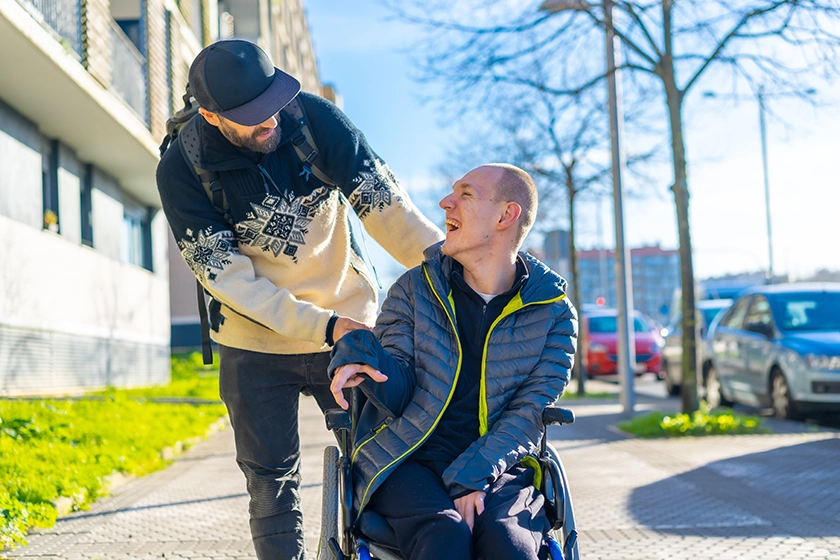
Peer Support Services are a vital resource DBHDS uses to help individuals in recovery from mental health and/or substance use challenges. This evidence-based model of care is delivered by qualified peer support providers who walk alongside people on their recovery journey. Services are non-clinical and person-centered, meaning that each individual is recognized as unique, with their own perspective, strengths, and preferences. Support often includes regular meetings for self-expression and the development of personalized recovery plans with clear, measurable goals.
Peer support providers achieve certification and gain endorsements that reflect their skills, knowledge, and expertise. Their qualifications are built through specialized education, as well as their own lived/living experience.
- Peer Recovery Specialists (PRSs): Individuals who self-identify as having lived experience with a mental health and/or substance use challenge.
- Family Support Partners (FSPs): Individuals who have supported a family member or loved one with mental health or substance use challenges to navigate the behavioral health system.
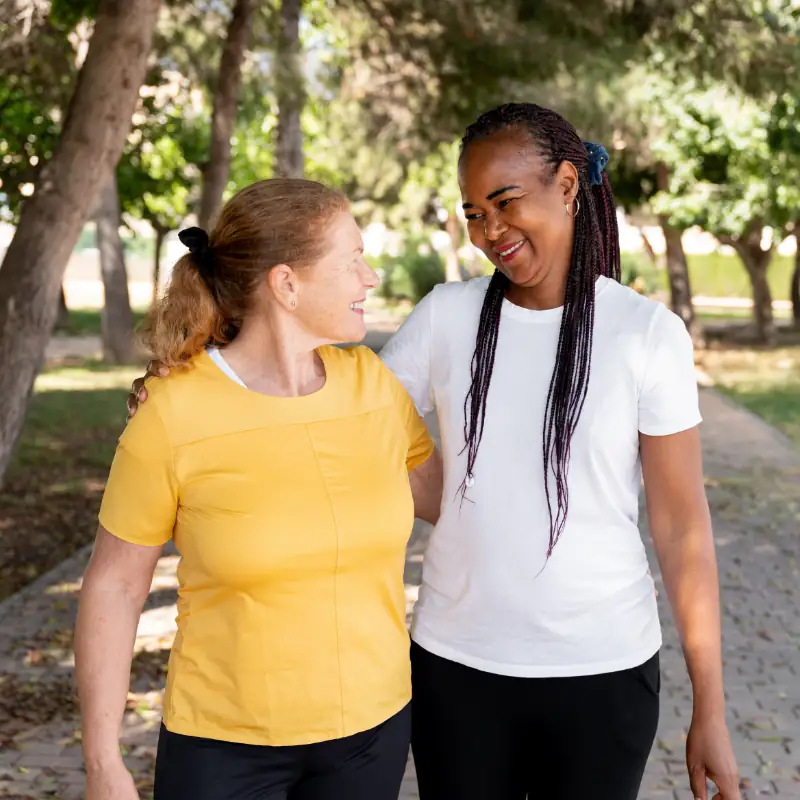
Lived experience is powerful because it fosters empathy, trust, and connection. It shows that recovery is possible and that people are not alone in their journey. Peer support demonstrates that others with similar experiences have achieved wellness—and that hope, healing, and recovery are attainable for all.
Virginia PRS Certification and Registration Pathways
Natural Peer Support
Peer to Peer support may be offered naturally as it occurs between two people who share a common experience of the hope for recovery from any one of the many mental health or substance use challenges. Natural Peer Support can be offered without formal training or with a variety of training, background and skill sets. People in this category call themselves Peer Specialists, Recovery Coaches, Peer Supporters, etc.
Peer Recovery Specialists
Peer Recovery Specialists (PRS) are individuals who have successfully completed the certification process in Virginia. This includes completing the 72-Hour DBHDS Peer Recovery Specialist Training. They have accumulated necessary requirements, such as 500 hours of peer support experience and passing an exam, to qualify as a Certified Peer Recovery Specialist (CPRS) with the Virginia Certification Board. Another avenue is to accumulate requirements for certification as a National Certified Peer Recovery Support Specialist (NCPRSS) with NADAAC. They could also be certified by the Veterans Administration process.
Registered Peer Recovery Specialists
- CPRS AND NCPRSS must become registered with the Department of Health Professions, Board of Counseling to have their services billed to Medicaid. At this point they are referred to as a Registered Peer Recovery Specialist (RPRS).
- Must be a CPRS, or an NCPRSS.
- Has successfully completed the 72-Hour PRS training administered by DBHDS.
Certified Peer Recovery Specialist (CPRS)
- Has been certified by the Virginia Certification Board (A member Board of IC&RC).
- Has successfully completed the 72-Hour PRS training administered by DBHDS.
- To become a Family Support Partner, you must obtain this qualification in addition to any other specific training.
- Core Competencies of CPRSs
- CPRS training
National Certified Peer Recovery Support Specialist (NCPRSS)
- Certified by the NAADAC, the Association for Addiction Professionals (previously called the National Association of Alcohol and Drug Addiction Counselors)
- Has successfully completed the 72-Hour PRS training administered by DBHDS
Additional Recovery Resources
- Virginia Peer Recovery Specialist Network
- Substance Abuse and Addiction Recovery Alliance of Virginia
- Mental Health Virginia
- National Alliance on Mental Illnesses (NAMI) Virginia
- Family-Run Executive Director Leadership Association (FREDLA)
- Substance Abuse and Mental Health Services Administration
- Department of Veteran Services (DVS)
If you have questions about these certifications, the training, or any related issues, please contact Mary McQuown, Recovery Services Workforce Development Coordinator.

Recovery Blast and ORS Flash
Email updates on trainings & certification, recovery-oriented events, information on evidence-based practices, and other important recovery information.
AskORS Flash Email Distribution List
If interested in being added to or removed from the email distribution list, go to vaprs.org/recovery-blast/.
If you have questions about these certifications, the training, or any related issues, please contact Mary McQuown, Recovery Services Workforce Development Coordinator.
Recovery Leadership Academy (RLA)
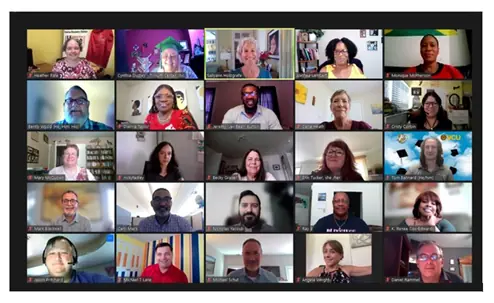
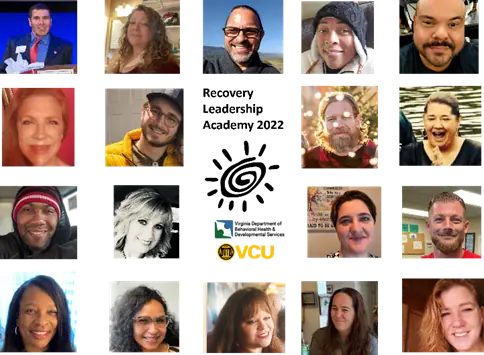
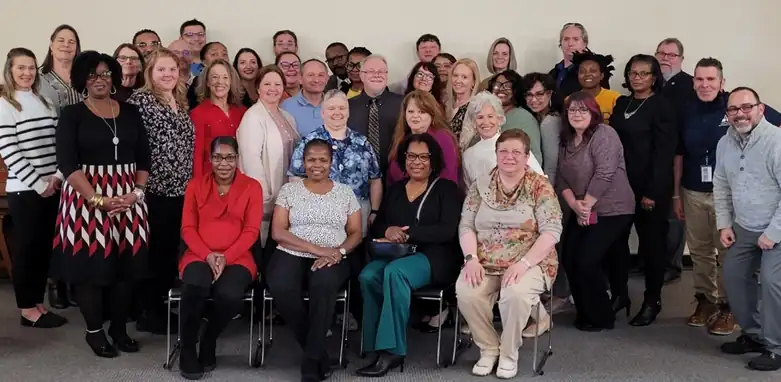
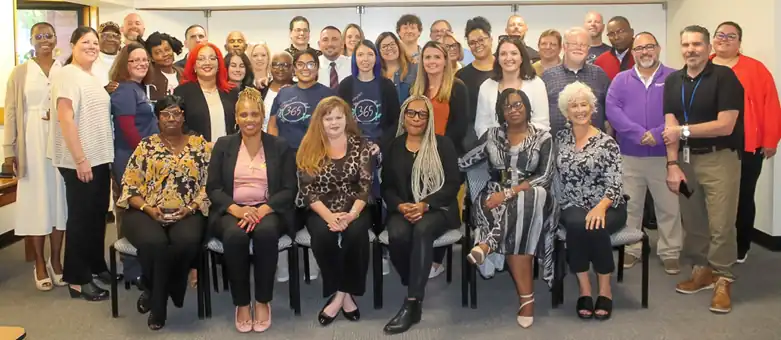
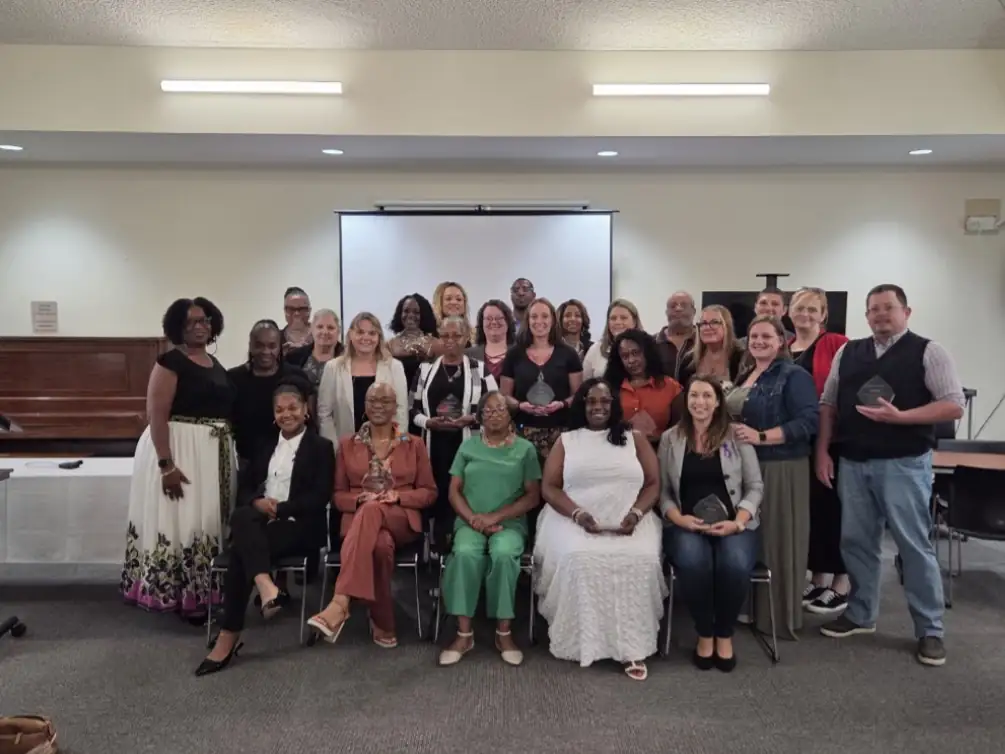
With the many challenges facing the peer workforce, it is important to continue to develop leaders for the future. DBHDS and Virginia Commonwealth University Department of Rehabilitation Counseling offer this unique professional development opportunity to individuals in the peer recovery field. The Recovery Leadership Academy (RLA) uses a combination of educational experiences, mentoring, and a team-building capstone project to prepare the peer recovery workforce for positions of leadership.
Program format
The training program spans nine months. The first month focuses on the pre-training assessments followed by eight months of training by professionals in the field of recovery and wellness-oriented systems transformation. Each training session takes place on the second Tuesday of the month between January and August. Throughout the program, participants practice selected leadership skills in their workplace and work with a small team to create a Capstone Project. Participants are matched with a mentor in April. All mentors are graduates of the RLA.Training sessions cover the following areas of leadership development: self-awareness, unconscious bias, giving feedback, visioning, leadership styles, team building, political savvy, forging coalitions, presentation skills, an introduction to grant writing and evaluation, systems change, and how to create a capstone project and proposal.
Emerging Leaders (ELs) participate in two pre-training assessments in January: the Myers Briggs Type Indicator and the Emotional Intelligence Inventory. ELs receive one-on-one feedback on the assessments, and the first training session includes general discussion of the assessments, self-awareness, and unconscious bias. They also receive a copy of the book Emotional Intelligence 2.0 by Bradberry & Greaves.
Who should apply?
People who are Certified Peer Recovery Specialists (CPRS), including Family Support Partners (FSP), or National Certified Peer Recovery Support Specialists (NCPRSS).
- People who are serving in recovery organizations and desire to obtain or currently have a leadership position.
- People with lived experience in the recovery field (mental health and/or substance use) and exhibit professionalism, maturity, and a desire to learn.
- People who can commit to this challenging program.
How can I apply?
- The announcement for submission of applications for the yearly RLA cohort goes out in September. The announcement is sent via the Recovery Flash, an email distribution list. To ensure you are on this list, go to vaprs.org/recovery-blast/.
- To understand what is required to participate in the RLA, carefully review this sample document.
- Submit all documents by the published due date.
Please share this information with all those certified peers who exhibit leadership potential and have time to commit to this outstanding program.
Questions
Join us for the RLA Information Session on Tuesday, October 22 at 12pm.
Please share this information
…with all those who exhibit leadership potential and have time to commit to this outstanding program.
With the many challenges facing the peer workforce, it is important to continue to develop leaders for the future. The Virginia Department of Behavioral Health & Developmental Services and Virginia Commonwealth University Department of Rehabilitation Counseling offer this unique professional development opportunity to individuals in the peer recovery field. Developed in collaboration with the Office of Recovery Services and Leadership Steering Committee of stakeholders, the Recovery Leadership Academy (RLA) uses a combination of educational experiences, mentoring, and a team-building capstone project to prepare the peer recovery workforce for positions of leadership.
DBHDS-Issued Phone Numbers and Email Addresses
Mary McQuown
Recovery Services Workforce Development Coordinator
mary.mcquown@dbhds.virginia.gov
757-403-3007